

 Analysis by Gamescozy
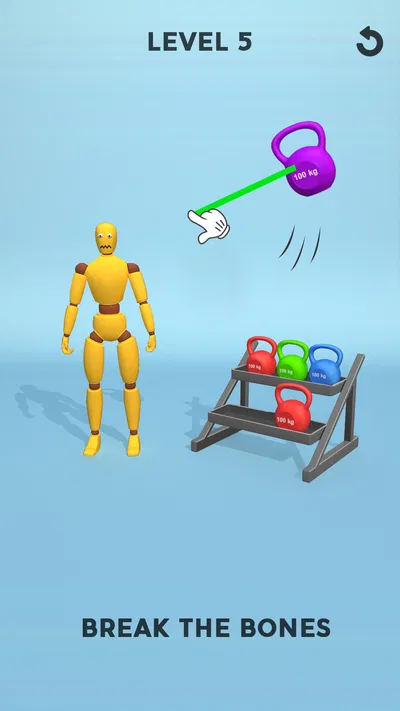
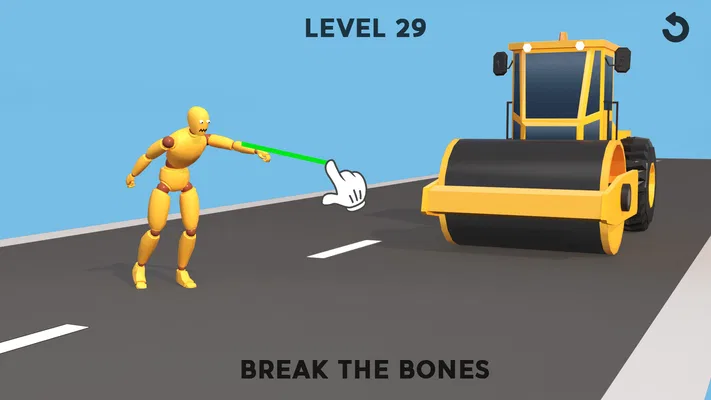
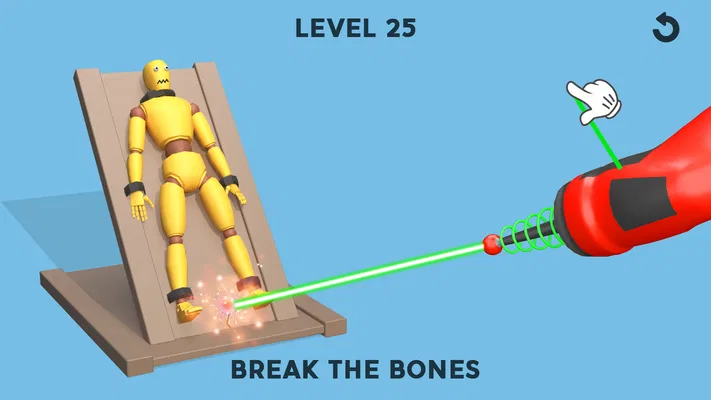
Some mobile games ask for careful planning; Kick & Break The Ragdoll makes its appeal much simpler: kick and break a ragdoll, and enjoy a quick bit of stress relief. I find that straightforward premise easy to understand at a glance. It suits short sessions when I want something playful and uncomplicated rather than a long adventure with a complicated setup.
A simple goal that gets you moving
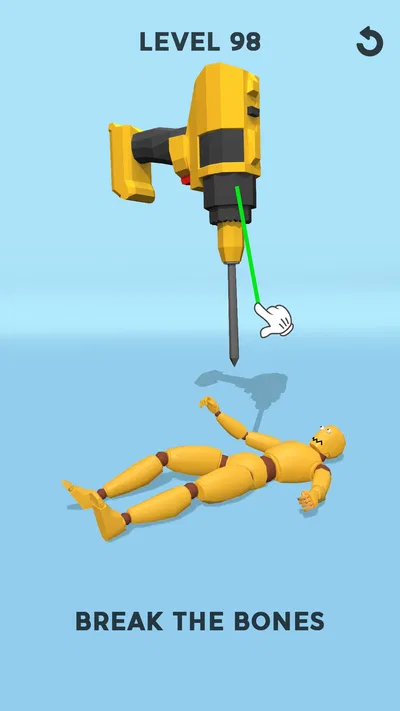
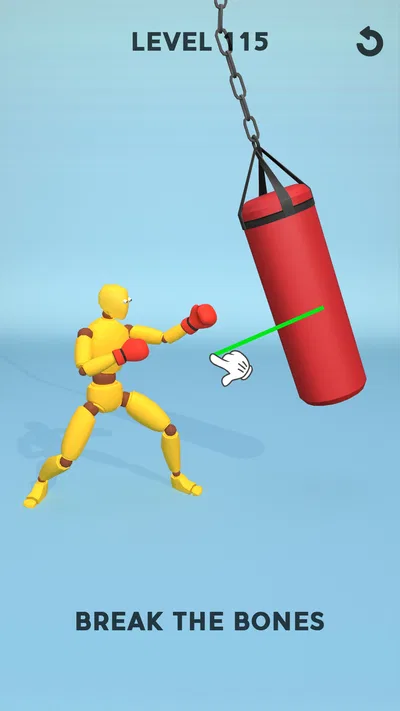
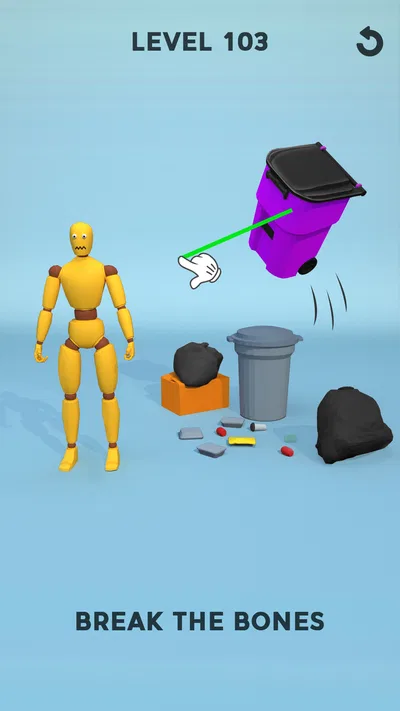
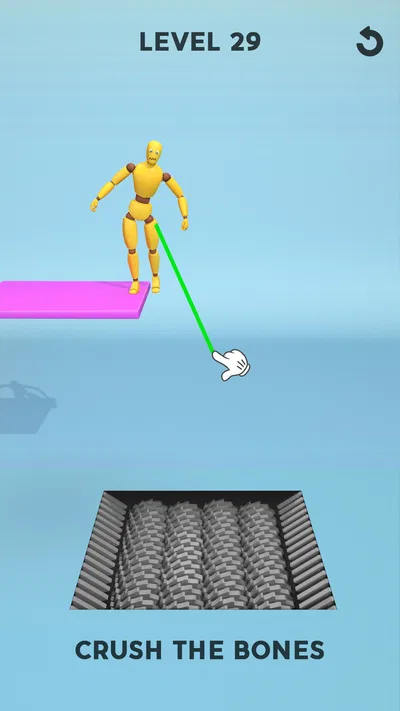
The game’s central idea is right there in its short description: kick and break the ragdoll. That gives each session an immediate focus, which is useful when I open a game without wanting to spend time learning a long list of rules. The ragdoll theme adds a silly, slapstick quality to the action, while the stress-relief framing makes clear that this is meant to be casual entertainment.
That simplicity is also the main thing to keep in mind before downloading. This is a simulation game built around a specific playful premise, not a broad collection of different activities. If you enjoy quick, physical-feeling game concepts and comic ragdoll antics, the hook may be enough to draw you in. If you’re looking for a story-rich experience or a deep strategic challenge, the basic idea may feel too narrow.
I like that the goal doesn’t need much explanation. A game that communicates its central activity clearly can be easy to pick up during a spare moment, whether I’m taking a short break or simply browsing for something light. The appeal is immediate, low-pressure ragdoll action, and the game doesn’t need an elaborate premise to explain what kind of mood it’s aiming for.
What progress feels like
For a game with such a direct premise, progression matters because it can give repeat sessions a sense of direction. Players often look for signs that their time is leading somewhere: a new goal, a feeling of improvement, or a reason to try again. With Kick & Break The Ragdoll, I’d approach that question with the same expectations as the core concept: the main attraction is the ragdoll activity itself, so the moment-to-moment amusement is likely to matter more than a sprawling progression structure.
That makes the game a better fit for people who enjoy repeating a simple action for its comic payoff than for players who need a constant stream of elaborate milestones. The premise can make a small session satisfying on its own, but anyone who prefers clearly layered objectives should consider whether this kind of focused simulation matches their tastes. I see the strongest reason to keep playing as the fun of returning to the central activity, rather than assuming the game will transform into a very different experience.
Unlocks and other progress signals can be motivating in mobile games, but they work best when they support the core loop instead of distracting from it. Here, the most useful way to judge progression is to ask whether the basic ragdoll play remains enjoyable over repeated sessions. If it does, the uncomplicated structure is a plus. If the novelty wears off quickly for you, a simple premise may offer less to chase than a game with more varied goals.
Challenge and pacing
The idea of kicking and breaking a ragdoll sounds intentionally playful rather than demanding. That suggests a casual tone: the focus is on a light, stress-relieving diversion, not on presenting the game as a test of mastery. I wouldn’t approach it expecting a steep difficulty curve or a serious competitive challenge. Instead, it makes more sense as something to try when I want a direct, easy-to-grasp activity.
Pacing is especially important for this kind of game. A focused concept can make a quick session feel brisk because there’s little distance between opening the game and understanding its purpose. At the same time, a narrow loop depends on the central action staying entertaining. Players who enjoy short bursts of uncomplicated play may appreciate that directness; people who want frequent changes in pace may find the format less compelling.
The game’s stress-relief pitch also shapes how I’d judge its challenge. A relaxed game doesn’t have to be effortless, but its overall feel should suit someone looking to unwind rather than concentrate intensely. The ragdoll theme points toward a comic, exaggerated style of play, giving the basic action a lighter character than a realistic simulation would have. That makes it easier to see the game as a casual palate cleanser between more demanding activities.
Why return to it?
Retention in a simple game usually comes down to whether its central action remains enjoyable after the first few tries. A quick premise can be a strength: I don’t need to remember a complicated story or rebuild my understanding every time I return. But that same simplicity puts more pressure on the core activity to stay amusing. The game is most likely to suit players who like revisiting a familiar loop rather than constantly learning new mechanics.
Its broad audience is another part of the picture. The game is rated for Everyone, and its basic concept is easy to describe, which makes it approachable for casual players who want a light simulation experience. It is free to play, so trying it does not require an upfront purchase. As with any game, whether it earns a place on your device will come down to how much you enjoy its particular style of ragdoll fun.
There’s also a difference between a game that is easy to start and one that holds every player’s attention for a long time. This concept is clearly easy to grasp, but its appeal will vary with personal taste. I’d recommend it most to players who enjoy a quick, silly activity and don’t need every session to bring a major new objective. For players who prefer a stronger sense of long-term progression, it may work better as an occasional diversion than as a main game.
A closer look at its place in mobile gaming
Kick & Break The Ragdoll sits in the casual simulation space, where a clear activity and an accessible tone can matter more than a complicated setup. It has attracted a substantial audience, with over one hundred million installs, and its average rating is 4.6 from around 353,000 ratings. Those figures show that many players have tried it and that the overall response has been positive, though individual enjoyment still depends on whether the central idea clicks for you.
The game was released on January 14, 2024, and its current version is 11.2.0. It is developed by Game District LLC and is available at no cost. The supported minimum operating system is version 7.0. Those practical details help establish whether it may suit your device, while the gameplay choice itself is fairly clear: this is for people drawn to light ragdoll action and a stress-relief theme.
When I think about whether a game like this deserves a download, I weigh how quickly I can understand it against how much variety I want. Here, the easy-to-grasp goal is a clear advantage for casual play. The trade-off is that a focused premise may not satisfy players who want a deep campaign, a complex challenge ladder, or several distinct styles of play. That’s not a flaw by itself; it simply means the game has a particular audience.
Who will enjoy the loop?
If you like casual games that get to the point, the concept has an obvious appeal. It doesn’t ask you to commit to a long narrative before the main activity begins, and the ragdoll theme gives the experience a playful identity. It could be a good match for quick breaks, especially if you enjoy slapstick ideas and don’t mind returning to a familiar action across sessions.
On the other hand, players who measure a game by a steadily expanding set of goals may want to keep their expectations grounded. The central pitch is deliberately simple, so the most important question is not how many layers you can imagine around it, but whether the basic activity makes you smile. If you need a strong progression ladder to stay invested, this may not be your ideal long-term choice. If an easy, silly diversion is enough, the directness may be exactly what you want.
For me, that makes it a game to approach on its own terms. It isn’t trying to sell a grand simulation or a demanding mastery test through its basic premise. It offers a straightforward way to spend a little time with a comic ragdoll concept. I’d choose it for casual amusement, not because I expect a richly varied journey.
Final take on its progression
As a stress-relief game, the strongest part of the idea is its clarity: kick and break the ragdoll, and enjoy the simple, playful premise. Its approachable style and free price make it easy to consider, while its Everyone rating broadens its potential audience. The game’s popularity and positive average rating suggest that the concept has found plenty of players, but the right fit still depends on your preferred pace and appetite for variety.
My verdict is that Kick & Break The Ragdoll works best as a quick casual simulation for anyone who wants a light, uncomplicated break. Its goals are easy to understand, and its appeal rests on whether the core action stays amusing for you. I’d recommend giving it a try if ragdoll humor and short sessions sound enjoyable; if you want a deep progression system or a constantly changing challenge, you may be better served by a more ambitious game.